SoftPOS versus Traditional POS - What’s best for modern businesses?
12 / 07 / 2025
Compare SoftPOS and traditional POS systems. Discover which payment solution suits your business better with cost, features, and security analysis.
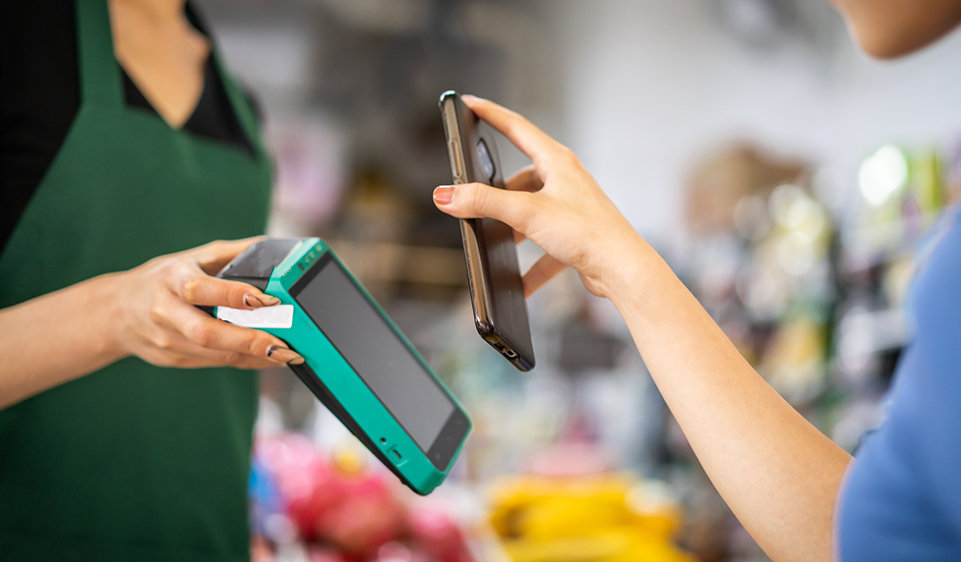
By transforming your smartphone into a fully functional payment acceptance device, SoftPOS provides an innovative and cost-effective alternative to traditional point-of-sale machines. It’s lightweight, fast to deploy, and requires no additional hardware, making it especially valuable for mobile-first businesses. But how does SoftPOS compare to conventional POS terminals in terms of setup, security, and long-term value? This guide assists you in learning the steps and integrating it into your business.
Key Takeaway
SoftPOS transforms smartphones into payment terminals through software, eliminating hardware costs, while traditional POS requires dedicated physical devices for payment processing.
Understanding SoftPOS and Traditional POS Systems
SoftPOS transforms Android smartphones into contactless payment terminals, enabling tap on phone acceptance without extra hardware. It’s ideal for businesses needing mobility and cost efficiency.Traditional POS uses dedicated devices like card readers and receipt printers. While robust, these systems demand higher setup costs and ongoing maintenance.
Modern android pos systems support contactless cards, wallets, and UPI via NFC, offering flexibility for merchants across locations or on the move.
Security First - How both options protect your business
Security is a top concern for any merchant accepting digital payments. Whether you use a card swipe machine or a mobile phone, customers expect secure and reliable transactions. Both SoftPOS and traditional POS systems come with strong protections — but the way they handle compliance and fraud prevention differs.
- PCI-DSS Compliance - Both systems must meet global security standards. SoftPOS apps are PCI-DSS certified, ensuring encrypted and secure data handling during every transaction.
- Real-Time Fraud Checks - Modern SoftPOS systems use AI-based fraud detection to flag unusual activity. Traditional POS machines also offer this but may require firmware updates.
- Two-Factor Authentication - With SoftPOS, built-in device-level security like biometrics and app PINs adds an extra layer of protection. Traditional machines rely more on physical custody and user control.
- Data Localisation and Compliance -Leading SoftPOS providers comply with RBI guidelines on tokenisation, data localisation, and transaction logging, just like traditional POS systems.
To understand how modern technology has transformed payment acceptance, explore how SoftPOS and MPoC Powers Omnichannel Payments.
What can you accept? Supported payments explained
The type of payments you accept can influence customer experience, especially as consumers increasingly go digital. Here's how SoftPOS and traditional POS compare in terms of payment acceptance.
- UPI and QR Payments - Both systems can accept UPI via dynamic QR codes. However, SoftPOS often offers quicker setup and QR display directly on the screen.
- Tap on Card - Contactless Payments - SoftPOS shines here. With tap on phone tech, customers simply tap their card to your mobile device. No terminal required.
- Mobile Wallets and NFC - Wallets like PhonePe and Google Pay work on both, but SoftPOS devices integrate NFC better on mobile-first journeys.
Thinking long-term - Costs, upgrades and scalability
Choosing a payment solution isn't just about today; it's about scaling smartly as your business grows. When comparing total ownership cost, flexibility, and upgrade paths, the differences become clearer. Hardware Costs - Traditional POS hardware costs anywhere between ₹5,000 and ₹15,000 per unit. SoftPOS eliminates this entirely; just use your existing smartphone. Maintenance and Downtime - Traditional machines may need physical servicing, paper replacements, or software updates. SoftPOS updates automatically via the App Store with zero downtime.
Feature | Traditional POS | SoftPOS |
Setup Time | 3–5 Days | < 1 Day |
Maintenance Cost | Moderate | Minimal |
Adding New Users | New hardware needed | Just install the app |
Scalability | Slower | Instant |
Business suitability and Use cases
Choosing between SoftPOS and traditional POS depends on business type, volume, and operational requirements. Different industries benefit from specific payment solutions based on their unique needs.Small Business Solutions - SoftPOS excels for startups and small merchants requiring cost-effective payment solutions. A food truck owner can accept payments anywhere using just a smartphone, eliminating the need for expensive hardware investments.
- Mobile Service Businesses - Mobile pos solutions work excellently for businesses with variable locations. Home repair services can accept payments immediately after completing work at customer locations, improving cash flow and customer convenience.
- High-Volume Retail - Traditional POS suits large retailers requiring integrated inventory management and detailed reporting. Department stores benefit from comprehensive functionality, including barcode scanning, loyalty programs, and real-time stock tracking capabilities.
For businesses considering eCommerce solutions, understanding the Top Net Banking Integrations for E-commerce Platforms can provide valuable insights.
Benefits of choosing the right payment solution
Selecting the appropriate payment system delivers measurable business advantages that extend beyond transaction processing capabilities. Understanding these benefits helps merchants make informed decisions aligned with their operational goals.
- Higher cost efficiency - SoftPOS eliminates hardware investments and reduces maintenance expenses, improving profit margins for small businesses.
- Enhanced mobility - Mobile pos solutions enable payment acceptance anywhere, expanding revenue opportunities and improving customer convenience.
- Faster deployment - Android pos applications can be installed and operational within hours, compared to the weeks required for traditional terminal installation and configuration.
Worldline makes SoftPOS simple for businesses
From hardware-free onboarding to instant contactless acceptance, SoftPOS is redefining how Indian merchants handle payments. It aligns perfectly with today’s mobile-first, flexible, and customer-centric business models.Whether you're accepting cards via tap on phone, processing UPI payments, or running a lightweight mobile pos, SoftPOS gives you the freedom to do it all — securely and affordably. If you're looking for a reliable, scalable, and regulation-compliant solution, Worldline’s SoftPOS offering is built to support your next phase of growth. Talk to our Worldline SoftPOS Experts to explore how easily you can enable it for your business.
Frequently asked questions about SoftPOS versus Traditional POS
-
SoftPOS converts smartphones into payment terminals through software, eliminating hardware costs. Traditional POS requires dedicated physical devices with card readers and displays for payment processing.
-
SoftPOS offers cost efficiency, mobility, quick deployment, and minimal maintenance requirements. Mobile pos solutions enable payments anywhere without fixed checkout limitations.
-
SoftPOS requires only smartphones with NFC capability and relies on software security updates. Traditional POS needs dedicated terminals, regular maintenance, and physical security measures.
-
Both support cards, UPI, and wallets. Android pos solutions excel at contactless payments, while traditional systems offer broader compatibility with older payment methods requiring physical card interaction.
-
Yes, SoftPOS maintains bank-grade security through tokenization and smartphone security frameworks. PCI DSS compliance is managed at software level, often exceeding traditional terminal security.