
Worldline Client User Group 2026: shaping the future of European payments together
11 / 05 / 2026
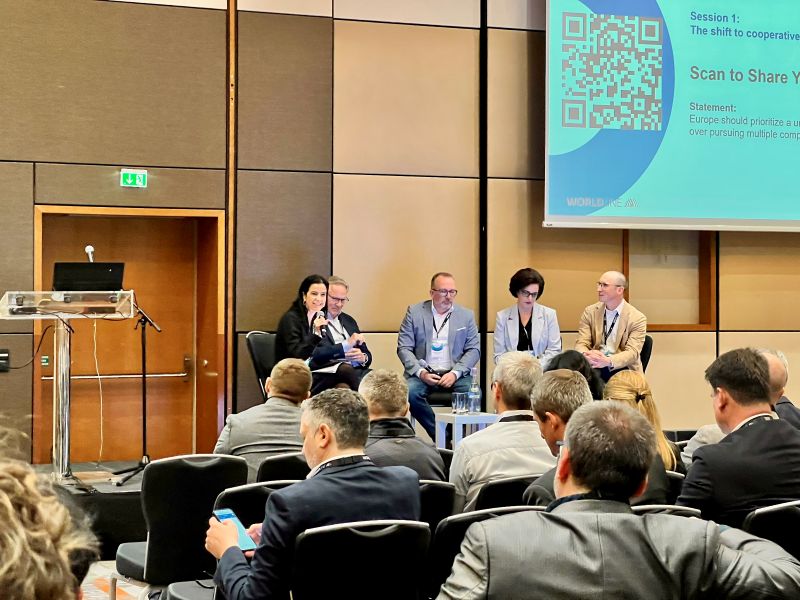
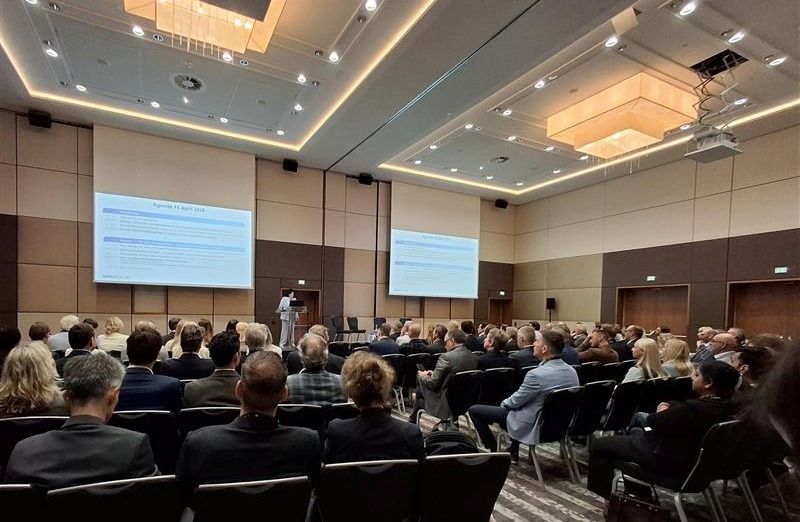
On 15 and 16 April 2026, Worldline PFI welcomed clients, partners and industry leaders for its annual Client User Group (CUG) event that took place in Vienna. Bringing together over 110 participants from 47 companies, alongside 13 expert speakers, this year’s edition marked a powerful moment of reflection and ambition for the future of payments in Europe. Attendees’ feedback highlighted strong engagement and value, rating the event 4.9/5 on overall satisfaction.

With contributions from organizations including EPI, the European Central Bank, the European Payments Council, and PSA, the event offered a truly diverse and high-level perspective on the forces that are reshaping our industry.
The payments industry: a sector at a strategic turning point
In her opening remarks, Madalena Cascais Tomé, Chief Processing & Financial Institutions Officer, set the tone by positioning payments as one of Europe’s most strategic sectors, alongside energy, healthcare and defense. Payments are no longer just a backbone function, they are now central to economic sovereignty, innovation, and competitiveness.
As highlighted throughout the event, Europe is entering a period of profound transformation:
- Payments are becoming real-time, data-rich, and embedded everywhere
- New technologies such as AI and agentic systems are redefining how transactions are initiated and executed
- The rise of digital currencies, stablecoins, and the digital euro is reshaping the concept of money itself
- At the same time, increasing regulation and geopolitical shifts are reinforcing the importance of European sovereignty in payments
The key question remains: can Europe maintain its leadership in this rapidly evolving landscape?
Key themes from this year
Across two days, the CUG explored five major themes that are shaping the future of payments:
1. Toward cooperative and interoperable payments in Europe
Discussions focused on the importance of collaboration and interoperability to scale European payment solutions. Initiatives such as Wero and wallet interoperability highlight the need to connect fragmented ecosystems and enable seamless cross-border experiences.
2. AI in payments: from efficiency to transformation
AI was a central topic, with experts exploring how it will move beyond incremental improvements to enable autonomous and agent-driven payments. Best practices were share and the participants concluded that whilst adoption is accelerating, many financial institutions are still in early stages, highlighting both the opportunity and the urgency to act.
3. Risk, fraud & identity: building data-driven defenses
As payments become faster and more complex, trust remains critical. The session emphasized the role of data, real-time analytics, and collaboration in strengthening fraud prevention and identity solutions across the ecosystem.
4. Beyond the card: a multi-rail future
The shift toward a multi-rail payments ecosystem where cards, account-to-account, wallets, and new digital assets are coexisting, is accelerating. This evolution requires flexibility, orchestration, and seamless user experiences across all payment methods.
5. CBDCs, digital assets and stablecoins
The final sessions explored the growing importance of central bank digital currencies and tokenized assets, including the latest developments around the digital euro. These innovations represent a new frontier for banking – and a critical component of Europe’s payment sovereignty.
From innovation to transformation
A recurring theme throughout the event was that the industry is not just innovating, it is undergoing a structural transformation. As highlighted in the closing session, payments are evolving toward autonomous, AI-driven transactions. Control over the full payments stack, from infrastructure to intelligence, will define future leadership. Success will depend on ecosystem collaboration, not isolated systems. Crucially, sovereignty must translate into real value for end users. Consumers and businesses expect simplicity, transparency and trust. Without these, even the most advanced innovations will fall short.
Collaboration is key
No single entity can drive this change alone. Deep collaboration among banks, fintechs, technology providers, and regulators is essential. Interoperable, real-time cross-border systems and shared fraud intelligence are critical. Resilience will stem from a connected ecosystem, not from isolated infrastructures.
Shaping a sovereign and globally competitive payment ecosystem
Worldline reiterated its role as not only a processor, but a trusted partner and ecosystem orchestrator - connecting rails, enabling interoperability, and driving advanced fraud prevention, identity, and data intelligence. By simplifying complexity and enabling innovation “the European way,” Worldline aims to help shape a payment ecosystem that is both sovereign and globally competitive.
Looking ahead
As one of the participants put it in their key takeaway from the event: “The next five years will define the next fifty.” Europe has the talent, the regulatory framework, and the market scale to succeed. What is needed now is alignment, execution and ambition. The Worldline Client User Group 2026 demonstrated that the industry is ready to move forward together.
Explore all the in-depth topics! Visit the Event Highlights page and download the presentations!


Sheri Brandon
Related articles
-

Scams in Germany 2026: A €12 billion wake-up call for banks
-

Settlement Finality Directive: Direct access to payment systems for non-bank PSPs
-

Agentic payments: the next evolution of commerce, and a new role for financial institutions
-
Simplifying European digital identity wallet adoption for banks
-

Resilience is built through practice: how the Dutch financial sector exercises for crisis situations
-

Fraud at the speed of payments: Can your organisation keep up?
-
Key Takeaways from Identity Week 2026
-

Step Into the New Era of Acquiring with Worldline – Acquiring as a Service
-

Fraud Scan Day: Worldline’s yearly view on the evolving fraud landscape
-
Checklist Before You Implement a Passwordless Authentication Solution


