
Passwordless Authentication in Financial Verticals: All You Need to Know
16 / 06 / 2026
Passwordless authentication is no longer a niche security trend; it’s a strategic movement shaping how banks protect customers, enable seamless digital experiences, and satisfy evolving regulatory demands.

Financial institutions face a widening attack surface—phishing, credential theft, and account takeovers—while customers demand frictionless sign‑in flows across mobile, web, and partner channels. The answer is not “more complicated passwords,” but stronger authentication foundations built on open standards, device trust, and intelligent risk orchestration.
At the center of this shift is our Worldline FIDO Server, a passwordless authentication backend built on open standards (FIDO2/WebAuthn, SPC) that can operate as a standalone solution or as part of Worldline’s security and authentication ecosystem (Access Control Server, Digital Security Suite, our Fraud Management suite etc).
The Problem with Passwords – Especially in Finance
Passwords have become a weak link in financial security. In banking and fintech, attackers exploit user habits and the sheer volume of credentials people manage—phishing, credential stuffing, and data breaches are ongoing threats. People reuse passwords across sites, choose simple terms, or forget complex ones, leaving accounts exposed and fueling fraud across channels, from online banking to mobile apps and partner portals. The consequence isn’t just stolen data; it’s lost customer trust, costly security incidents, and regulatory scrutiny for not meeting evolving authentication standards.
Even when a password is used with a second factor, the protection is only as strong as the weakest link in the chain. OTPs delivered by SMS or email can be intercepted or phished, devices can be compromised, and attackers continue to target the delivery channels themselves. In high-stakes finance, these weaknesses translate into credential theft, unauthorized transactions, and major operational and reputational damage. The industry’s move toward risk-based, multi-channel authentication underscores the need for a fundamentally stronger foundation than passwords plus a slipshod second factor.
Passkeys offer a practical, future-proof alternative. A passkey is a FIDO-based credential bound to the user’s device, used with biometrics or a local gesture to authenticate—without ever exposing a password. Because the private keys never leave the device and are protected by attestation, passkeys resist phishing and credential theft across web, mobile, and partner channels. When paired with device-bound trust and risk-aware orchestration, passkeys can deliver true MFA that’s both secure and user-friendly.
What Is Passwordless Authentication - and why it matters especially for finance
What it is: Passwordless authentication uses cryptographic keys and user-verified factors (biometrics, device-based attestations, and secure credentials) instead of traditional passwords.
Passwords have long been the gatekeeper of our digital identities. In the United States, roughly 85% of banks still rely on usernames and passwords. As the number of online accounts people manage grows, these traditional credentials become an ever larger security liability. Passwords are easy to forget, easy to steal, and easy to crack, leaving highly sensitive data exposed to hackers. When users forget passwords, they often resort to insecure habits—writing passwords down or choosing obvious, easily guessable terms—further weakening defenses.
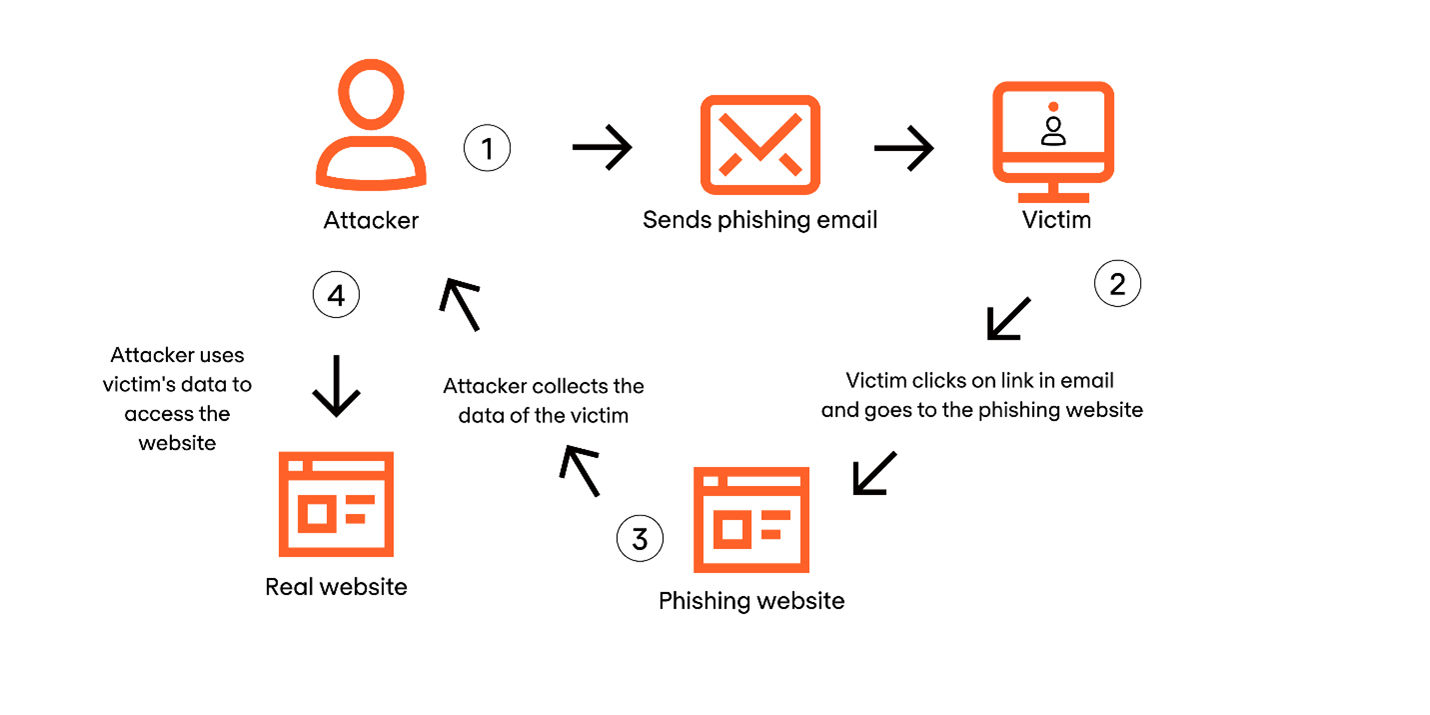
Phishing remains one of the top attack vectors, but the good news is that the Worldline FIDO Server eliminates phishing attacks by 100%, a rate that no other cybersecurity solution can boast. In the past year, about 89% of organizations experienced phishing attempts in which user passwords were compromised, making phishing the most prevalent form of digital fraud. Weak or stolen passwords are at the root of approximately 81% of hacking-related breaches.
There is a robust alternative: passkeys. Built on the FIDO standard, passkeys offer phishing-resistant, passwordless authentication that blends cryptography with biometrics to deliver a high-assurance experience. Passkeys eliminate the vulnerabilities associated with traditional passwords, giving users confidence that their digital identities are protected.
Passkeys work across major platforms and browsers, enabling banking-grade security without sacrificing convenience. Adoption of passwordless authentication shifts the security model from password-centric risk to device-bound trust and risk-based orchestration. When deployed at scale, passkeys support multi-channel experiences—online banking, mobile apps, and partner platforms—while enabling auditable decisioning and governance.
In short, passwordless authentication—anchored by passkeys and the FIDO standard—offers a strategic path to stronger security, better customer experience, and tighter regulatory alignment for financial institutions.
Passwordless Authentication Use Cases across Financial Services (and beyond)
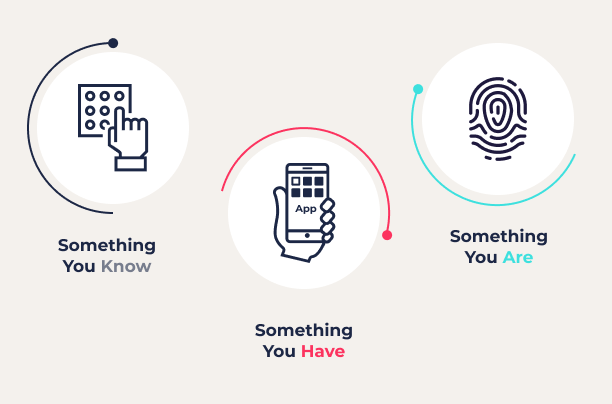
Passworldless authentication is not something that only banks should be interested in. The variety of use cases for it across the financial sector and beyond is just one of the reasons why we say passworldess authentication is the future.
Here are several domains where passworldless authentication is becoming the norm and why.
- Banking and fintech
- Secure online banking, payments authentication, and third-party access (XS2A) with reduced login friction.
- Retail and e-commerce
- Passwordless sign-in and safer checkout across consumer channels, enabling omnichannel experiences without password fatigue.
- Healthcare and public sector
- Secure access to sensitive records and portals with auditable, privacy-compliant workflows.
- Cross-sector benefits
- Phishing resistance, improved user experience, scalable deployment, and consistent security controls across verticals.
Three Scenarios for Passwordless Authentication in a Financial Context:
Use Case 1: Passwordless login to online or mobile banking
Mobile has become the dominant channel for customers to access their bank accounts, a trend that accelerated during the pandemic. As criminals shifted their activity to mobile, banks must assess the health and integrity of each device during login and during transactions.
A passwordless authentication approach powered by Worldline FIDO Server enables phishing-resistant passkeys anchored to the user’s device, leveraging biometrics such as fingerprint and facial recognition to deliver a seamless yet secure sign-in experience across mobile apps and web. In practice, banks collect device health signals—device ID, geolocation, operating system, and related data points—to determine risk at login.
Based on these signals, authentication can proceed with a passkey when risk is low and the device is trusted, or escalate to an additional verification step if risk is higher. Because the process is grounded in open standards like WebAuthn and SPC, it remains auditable and governance-friendly, supporting PSD2/SCA and privacy-by-design requirements while providing a consistent experience across channels.
The shift to passwordless authentication here is not just about removing passwords; it’s about delivering strong security without introducing friction, so customers retain trust and banks reduce fraud and support costs.
As customers adopt passwordless authentication, education becomes essential to manage expectations—security can be invisible, yet dramatically effective, especially when risk signals drive decisions in the background. For existing customers, a trusted device history and behavior pattern enable a high level of assurance: login and routine actions can occur smoothly, while security controls tighten when anomalies are detected, all without requiring a password.
Use Case 2: Authorizing financial transactions using Worldline FIDO Server
When a customer initiates a payment or a transfer, banks can elevate security and user experience by demanding passwordless authentication anchored to the customer’s device. Worldline FIDO Server enables a quick, frictionless approval flow where biometrics or other device-bound proofs confirm identity, and the transaction is then authorized through a robust security layer.
The security framework relies on end-to-end protection: passkeys anchored to the user’s device, a secure channel for the transaction, and device attestation that proves the signer’s device is genuine. Because FIDO is built on open standards like WebAuthn/WebAuthn2 and SPC, it works across a wide range of devices and platforms, giving banks flexibility in how customers authenticate.
Banks benefit from a streamlined experience that reduces authentication friction while preserving or even improving security, and they gain an auditable trail of authentication events aligned with PSD2 SCA, privacy requirements, and enterprise governance.
The approach also aligns with an ITA-based architecture, where FIDO Server provides the passwordless foundation and a risk-aware orchestration layer governs interactions across banking workflows, apps, and third-party integrations.
Use Case 3: Bank wire transfer with QR or push notification
For high-value transfers initiated via QR codes or push notifications, passwordless authentication can simplify and secure the process.
Banks can prompt customers to confirm transfers using passkeys or biometrics, with the secure channel ensuring end-to-end encryption and integrity of the transaction data. QR-based flows provide strong, user-initiated actions that are difficult to spoof, while push notifications deliver prompts in a familiar, secure channel, offering encryption advantages over SMS.
Across channels—online banking, mobile apps, and partner interfaces—passkeys enable a consistent, phishing-resistant authentication experience, reducing the risk of social engineering and man-in-the-middle attacks. As with login and transaction authorization, all steps are governed by a centralized, auditable policy framework, delivering measurable improvements in security and customer trust while supporting governance and regulatory requirements.
Key Benefits of Passworldless Authentication for Banks in a Nutshell:
Phishing resistance: public-key based credentials are not phishable, reducing credential theft risk.
Reduced friction: sign-ins become smoother with biometrics or device-bound keys, improving onboarding and retention.
Governance and compliance: auditable decisioning tied to risk signals supports PSD2/SCA and privacy requirements.
Cross-channel consistency: a uniform user experience across mobile, desktop, and partner channels.
How FIDO Server Works for You if You Are…
… a CISO
A passwordless authentication approach with Worldline FIDO Server directly addresses the core concerns of a modern security program: credential theft, phishing, password fatigue, and vendor sprawl.
By replacing passwords with phishing-resistant, device-bound credentials built on WebAuthn and SPC, organizations dramatically shrink the primary attack surface. This approach enables risk-aware authentication decisions that respect user experience—signing in with biometrics or a device key remains fast and intuitive while providing strong protection across web, mobile, and partner channels.
The governance story is compelling too: every authentication event is auditable, traceable, and aligned with PSD2 SCA and privacy requirements, making regulatory evidence straightforward and defensible. From a cost perspective, the move to passwordless authentication reduces password-related support burdens and fraud-related losses, while simplifying the security stack into a cohesive, enterprise-grade foundation.
… a Compliance Officer
From a compliance standpoint, passwordless authentication is a strategic lever for meeting regulatory demands without compromising user experience. By leveraging open standards such as WebAuthn (FIDO2) and SPC, FIDO Server delivers phishing-resistant authentication that inherently supports PSD2/SCA and privacy-by-design principles.
The governance layer—centralized policy enforcement, auditable decisioning, and clear data handling traces—facilitates smoother audits and stronger oversight across channels, whether customers are online, on mobile, or interacting with third-party interfaces. In short, passwordless authentication transforms compliance from a checkbox into a measurable, ongoing program that enhances security while preserving customer trust and operational efficiency.
… an IT Director
IT leaders are tasked with building scalable, maintainable security architectures that fit into existing ecosystems and can grow with the business.
FIDO Server provides a scalable passwordless backend with flexible deployment options, including on-premises or cloud, designed to integrate with your broader security portfolio.
The platform’s support for open standards ensures broad interoperability across devices and platforms, delivering a consistent user experience from web to mobile to partner apps. Deployment at scale means streamlined credential provisioning, robust device support, and reduced fragmentation across authentication methods, all while upholding strong governance and regulatory alignment.
This foundation supports a future-proof security posture that can extend beyond banking into other verticals as needs evolve.
The Worldline approach: FIDO Server in the ITA ecosystem
Our Worldline FIDO Server product provides a robust passwordless authentication foundation designed for enterprise-scale adoption. It can function as a standalone backend or as part of Worldline’s ITA ecosystem—integrating with TA, DSS, and ACS to deliver end-to-end authentication and governance.
How the pieces fit:
DSS and ACS secure the sessions and enforcement points, while TA orchestrates authentication flows based on risk signals.
ITA governance ties into broader ICT risk management, incident response, and regulatory reporting.
Closing thoughts on passwordless authentication:
Passwordless authentication is a strategic enabler for security, customer trust, and regulatory compliance in financial services and beyond. When paired with the broader ITA ecosystem, the Worldline FIDO Server becomes a powerful engine for secure, scalable, and governance-friendly authentication that can extend across multiple verticals.

Miriam Cihodariu
Related articles
-

Scams in Germany 2026: A €12 billion wake-up call for banks
-

Simplifying European digital identity wallet adoption for banks
-

Fraud at the speed of payments: Can your organisation keep up?
-
Key Takeaways from Identity Week 2026
-

Fraud Scan Day: Worldline’s yearly view on the evolving fraud landscape
-
Checklist Before You Implement a Passwordless Authentication Solution
-
European Digital Identity Wallet (EUDIW): From Pilots to Real-World Impact
-

Phishing Resistant MFA Through FIDO Standards? Here’s All You Need to Know
-

Biometric Authentication Challenges in Fintech and Banking
-

Achieve Next Gen Duo Multi Factor Authentication with FIDO Standards


